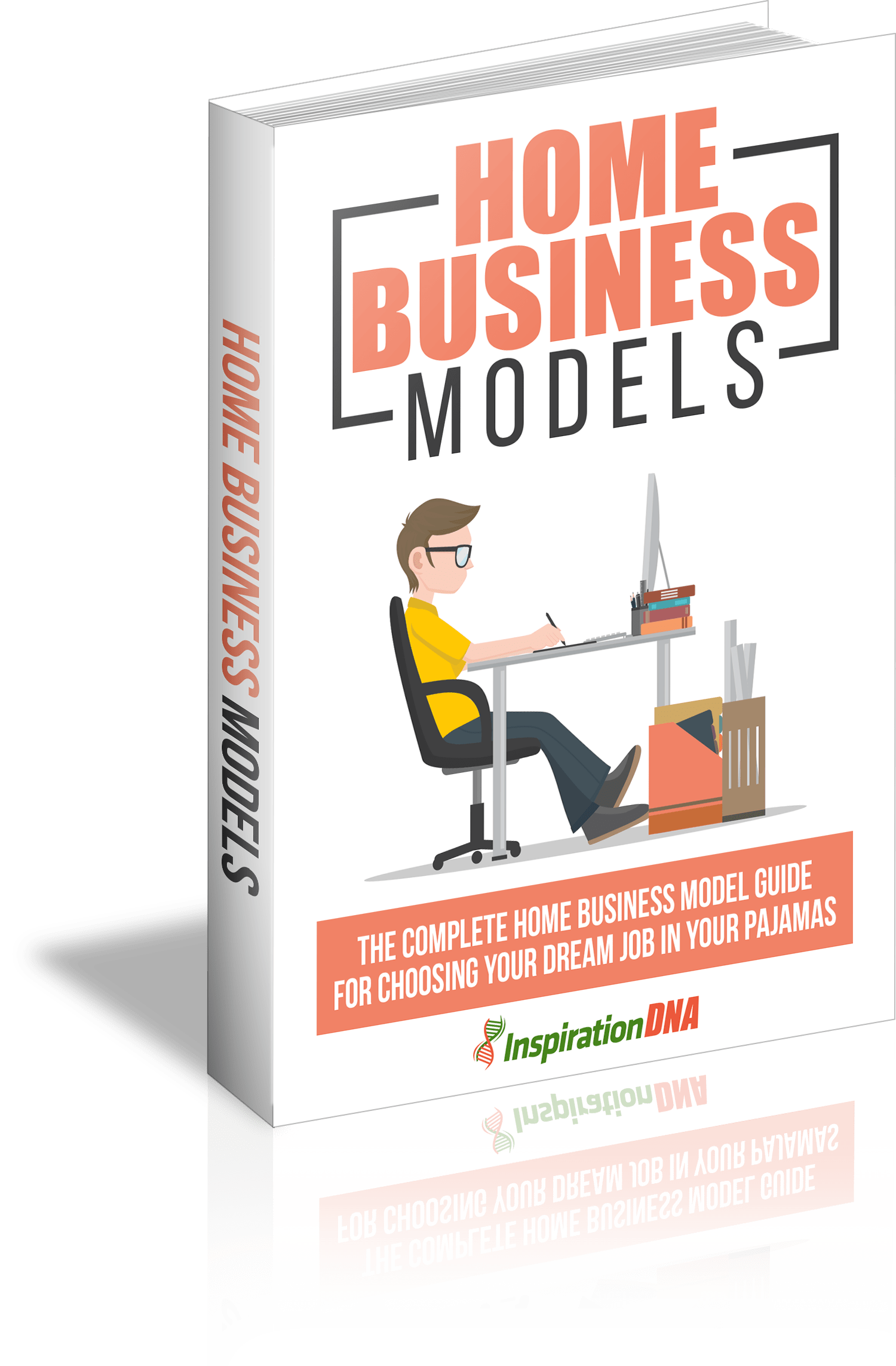
Choosing the right home business model can be an important step toward creating a flexible and potentially rewarding source of income.
31 Pages
Before committing to a particular opportunity, aspiring entrepreneurs should learn as much as possible about how the business operates, what customers expect, and what resources will be required. Selecting a model that matches your existing knowledge, professional experience, interests, and abilities can provide a valuable advantage and make it easier to develop credibility within your chosen market.
Another important consideration is the potential for consistent customer demand. A business that depends entirely on occasional or seasonal purchases may require significantly more effort to maintain predictable revenue. Entrepreneurs should examine whether their products or services solve an ongoing problem, encourage repeat purchases, or provide customers with a reason to return. Understanding economic conditions, competition, pricing pressures, and changing consumer behavior can also help determine whether a particular home business model has the potential to produce sustainable income.
Personal motivation should also play a major role in the decision. Building a business from home requires discipline, patience, and the ability to remain productive without the structure of a traditional workplace. Choosing an opportunity that genuinely interests you can make it easier to stay committed when challenges arise. This guide explores key factors to consider when evaluating home business models, including personal strengths, customer demand, revenue consistency, market conditions, and long-term motivation.